

Buying your first home is one of life's most exciting milestones. But it can also be overwhelming. From securing a mortgage to understanding the true cost of homeownership, there are plenty of opportunities to make mistakes that could cost you time, money and stress.
The good news is that most first-time buyer pitfalls are entirely avoidable with the right preparation.
Whether you're just starting your property search or are ready to make an offer, here are the biggest mistakes first-time buyers make and how you can avoid them.
1. Not understanding your true budget
Many first-time buyers focus solely on how much they can borrow. However, that's only part of the picture.
The amount a lender is willing to offer doesn't necessarily mean it's a comfortable amount to repay each month. It's important to consider your broader financial situation, including everyday living costs, savings goals and future plans.
How to avoid it
Before viewing properties:
- Review your monthly income and outgoings.
- Factor in future expenses and changes in circumstances.
- Work out what monthly mortgage payment feels affordable.
- Leave room in your budget for unexpected costs e.g. a new boiler.
A realistic budget helps prevent overstretching yourself financially and can make homeownership far less stressful.
2. Forgetting about additional buying costs
One of the most common first-time buyer mistakes is focusing on the deposit while overlooking other expenses.
In addition to your deposit, you may need to pay for:
- Solicitor or conveyancing fees
- Mortgage arrangement fees
- Survey costs
- Moving expenses
- Home insurance
- Initial repairs or decorating
These costs can quickly add up and may leave some buyers short of cash after completing their purchase.
How to avoid it
Build a separate savings pot specifically for buying costs. Having a financial buffer can also help cover unexpected expenses that arise during the process.
3. Failing to check your credit report
Your credit history plays an important role in mortgage approval. Yet many first-time buyers only look at their credit score after they have begun
house hunting.
Errors on your credit file or a poor credit history could affect the mortgage products available to you.
How to avoid it
Check your credit report before applying for a mortgage.
This gives you time to:
- Correct any inaccuracies.
- Register on the electoral roll if needed.
- Pay down outstanding debt.
- Improve your overall credit profile.
Taking these steps early can improve your chances of securing a competitive mortgage deal.
4. Not getting a mortgage Agreement In Principle
Finding your dream home before speaking to a lender can lead to disappointment.
Without a mortgage agreement in principle (AIP), you may not know exactly how much you can borrow. Sellers and estate agents may also view buyers with an AIP as more serious.
How to avoid it
Arrange an agreement in principle before starting your property search.
An AIP:
- Gives you a clearer idea of your borrowing power.
- Shows sellers you're financially prepared.
- Can help speed up the buying process once you make an offer.
5. Falling in love with a property too quickly
It's easy to become emotionally attached to a property, particularly in competitive markets.
However, rushing into an offer without carefully assessing the home's condition, location and future suitability can lead to costly regrets.
How to avoid it
Step back and assess each property objectively. Ask yourself:
- Does it meet your current and future needs?
- Is the asking price reasonable compared with similar homes?
- Are there any signs of potential problems?
Treat purchasing a property as both an emotional and financial decision.
6. Skipping surveys to save money
Some buyers assume surveys are unnecessary, particularly if a property looks well maintained.
Unfortunately, cosmetic appearances can hide structural problems, damp issues, roof defects or other expensive repairs.
How to avoid it
Consider commissioning an appropriate survey before exchanging contracts. A survey could reveal:
- Structural concerns
- Electrical issues
- Damp or timber problems
- Roof defects
Maintenance costs you may face in the future
The cost of a survey is often small compared with the potential expense of unexpected repairs and may save you in the long run.
7. Not researching he local area
Buying a property isn't just about the home itself. The surrounding area can have a significant impact on your quality of life and long-term satisfaction.
Some buyers focus heavily on the property and pay little attention to local amenities, transport links and future developments.
How to avoid it
Research the area thoroughly.
Visit at different times of day and consider:
- Commute times
- Schools
- Shops and services
- Green spaces
- Public transport links
- Future regeneration projects
You can also research ahead with OnTheMarket’s map filters, using data to show you key stats about the local area including crime levels, air quality, cycling routes and traffic.
Remember that while you can change many things about a home, you can't change its location.
8. Draining all your savings on the deposit
Putting down the largest possible deposit may seem sensible, but using every penny of your savings can leave you financially vulnerable.
Unexpected costs often arise after moving into a home.
How to avoid it
Aim to keep an emergency fund available after completion. Having savings set aside can help cover:
- Essential repairs
- Replacement of appliances
- Higher-than-expected bills
- General emergencies
A financial buffer provides peace of mind during your first months as a homeowner.
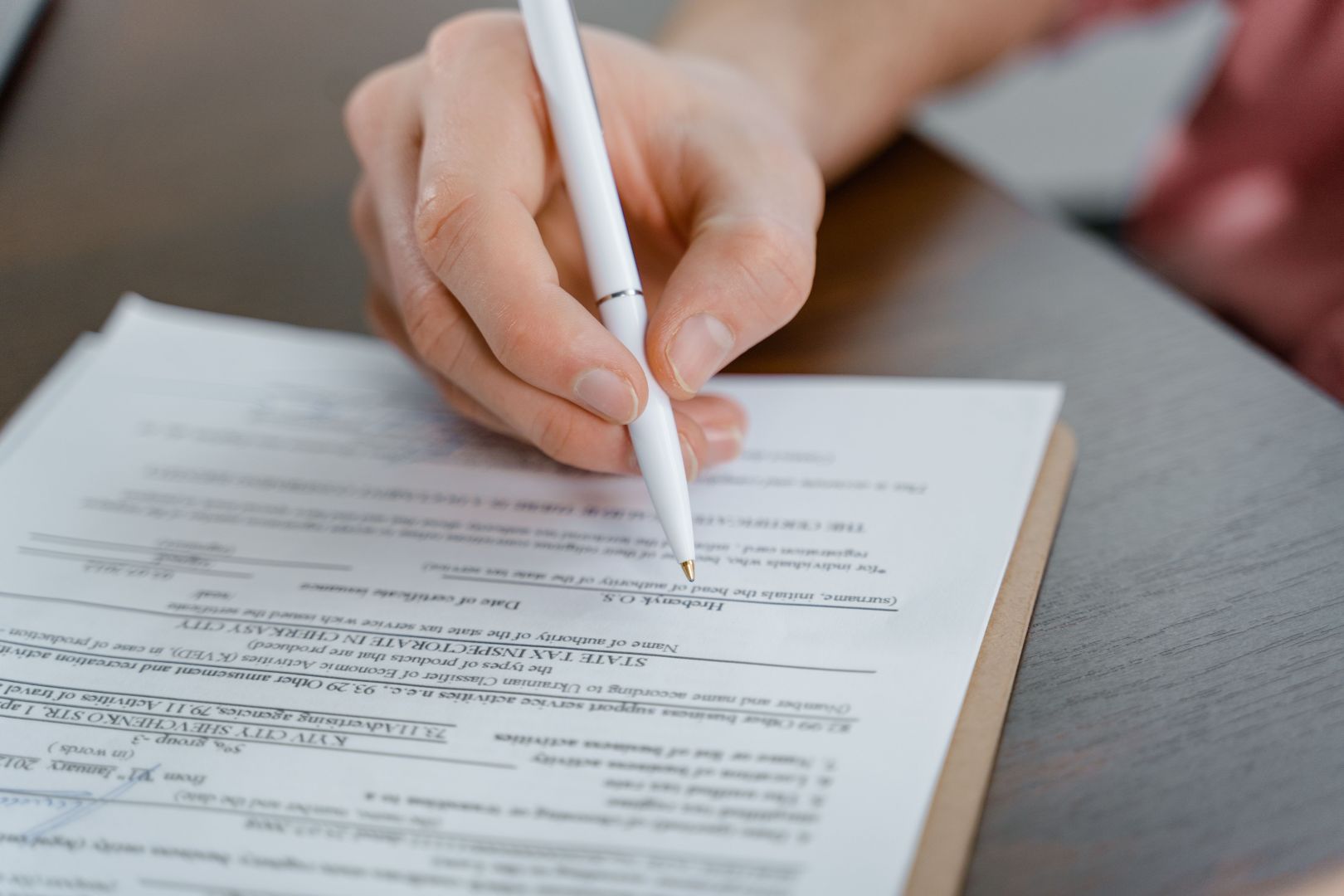
9. Rushing through paperwork
The buying process involves significant legal and financial documentation.
Many first-time buyers feel pressured to sign documents quickly without fully understanding them.
How to avoid it
Take time to read everything carefully.
Don't be afraid to ask questions if you're unsure about:
- Mortgage terms
- Interest rates
- Fees and charges
- Legal obligations
- Property boundaries and rights
Understanding what you're signing can help prevent unpleasant surprises later.
10. Letting fear of missing out drive decisions
Competitive markets can create a sense of urgency. Some first-time buyers worry that if they don't act immediately, they'll miss their opportunity.
This can lead to overpaying or choosing a property that's not quite right.
How to avoid it
Stay focused on your requirements and budget.
Remember:
- There will always be more properties coming to market.
- A rushed purchase can lead to years of regret.
- It's better to wait for the right home than buy the wrong one.
Patience is often one of a first-time buyer's greatest advantages.
Top tips for first-time buyers
- If you're preparing to buy your first home, keep these essentials in mind:
- Know your realistic budget
- Save for additional costs as well as your deposit
- Check your credit report early
- Obtain a mortgage agreement in principle
- Research neighbourhoods thoroughly
- Commission a survey
- Keep an emergency fund
- Avoid making emotional decisions
- Read all paperwork carefully
- Take your time
The takeaway
Buying your first home can feel like a steep learning curve, but avoiding a few common mistakes can make the journey much smoother.
The most successful first-time buyers are usually those who take their time, understand their finances, research thoroughly and stay focused on finding a property that meets both their current and future needs.
With careful planning and realistic expectations, you'll be in a strong position to navigate the buying process with confidence and take your first step onto the property ladder.
Whether you’re just starting your search or you’re ready to make an offer, find the perfect home to start your property journey at OnTheMarket.